cropper
update
{COMPANY_NAME}
cropper
update
  • Home
  • Categories
    • Healthy Living
    • Nutrition Tips
    • Mental Health
    • Healthy Travel
    • Expert Insights
    • Sustainable Living
    • Vegan Products
    • Recipes
April 20.2025
3 Minutes Read

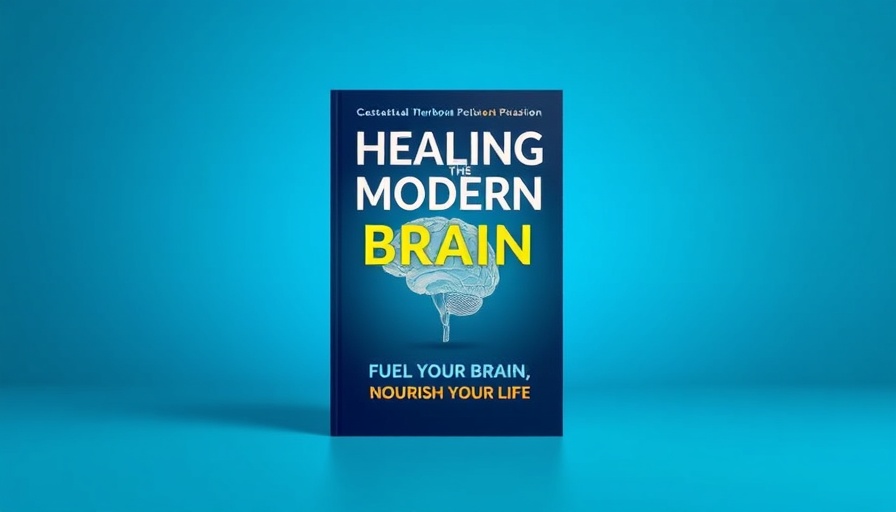
Unlock Your Mental Fitness: Healing the Modern Brain Through Veganism

Smiling individuals holding 'Healing the Modern Brain' book indoors.

Understanding Modern Mental Health

The video HEALING THE MODERN BRAIN touches on a crucial area of our contemporary lives—mental health. It highlights the increasing challenges faced by adults aged 30-60, particularly those following a healthy, vegan lifestyle. As societal stressors mount and mental health issues become more prevalent, having an insightful conversation about mental fitness is essential.

In HEALING THE MODERN BRAIN, the discussion dives into mental health, exploring key insights that sparked deeper analysis on our end.

The Rise of Mental Health Awareness

In recent years, awareness around mental health has gained unprecedented traction. Mental fitness, encompassing emotional, psychological, and social well-being, plays a pivotal role in how individuals think, feel, and act. It determines how we manage stress and relate to others. The 'Healing the Modern Brain' initiative sheds light on innovative approaches to enhancing mental health, advocating for practices such as mindfulness, balanced nutrition, and establishing community support systems.

Nutrition's Impact on Mental Health

What many may not realize is the profound connection between diet and mental health. A plant-based, vegan diet is associated with improved mood and cognitive function. Research shows that diets rich in antioxidants, vitamins, and omega-3 fatty acids, commonly found in whole plant foods, have been linked to decreased rates of depression and anxiety. For adults looking to enhance their brain health, adopting a vegan lifestyle can provide not just physical benefits but also significant mental gains.

Mindfulness and Its Benefits

One of the key insights from the video involves embracing mindfulness practices. Engaging in mindfulness helps foster emotional resilience, allowing individuals to breathe through stress and anxiety. Mindfulness techniques such as meditation and yoga can complement a healthy vegan diet, making it easier to maintain mental focus and clarity. For someone living a busy lifestyle, incorporating short meditation sessions or yoga stretches can profoundly change how they experience their day-to-day challenges.

Building Supportive Communities

The initiative also addresses the importance of community in mental well-being. Building supportive networks can tremendously enhance one’s mental fitness. For those who embrace a vegan lifestyle, connecting with like-minded individuals can provide necessary emotional support, create a sense of belonging, and reinforce healthy habits. There are numerous online forums and local groups dedicated to veganism that can help foster connections.

Embracing Holistic Practices

Another fascinating insight from the video is the emphasis on holistic health practices. Integrating activities that promote physical and mental health, such as exercise, adequate sleep, and stress management techniques, creates a well-rounded approach to wellness. This aligns perfectly with modern approaches toward health that advocate for comprehensive lifestyle changes rather than isolated improvements.

Future Trends in Mental Health

As we move further into the 21st century, we can anticipate a continued shift toward prioritizing mental health. Emerging research may continue to reveal the links between nutrition and mental well-being, further popularizing a vegan approach to mental fitness. In addition, we may see greater integration of mental health practices in workplace wellness programs, aiming to cultivate healthier work environments.

For adults between 30 and 60, these developments are particularly relevant as they juggle family, careers, and personal aspirations. Understanding and implementing the insights from initiatives like Healing the Modern Brain can arm individuals with the tools necessary for navigating the complexities of modern life.

Take Action for Your Mental Fitness! By adopting a healthier vegan diet and practicing mindfulness, you have the power to significantly improve your mental health. Explore local vegan groups or online communities to cultivate connections that support your journey towards better mental and emotional well-being.


Mental Health

15 Views

Write A Comment

*
*
Please complete the captcha to submit your comment.
Related Posts All Posts
05.14.2026

Why We Freeze Under Stress: Insights for Vegan Lifestyle Advocates

Update Understanding the Freezing Response: A Natural Reactions Many of us have experienced moments where we feel paralyzed in the face of oncoming stress—an overwhelming speech, an unexpected confrontation, or even an emotional crisis. This reaction, known scientifically as the "freezing response," is a deeply entrenched survival mechanism rooted in our evolutionary biology. When subjected to extreme stress, our bodies react in three basic ways: fight, flight, or freeze. For those who lead a health-conscious lifestyle, understanding this biological phenomenon can provide valuable insight into managing stress more effectively.In 'Why We Freeze Under Stress', the discussion dives into the stress response, uncovering critical insights that sparked deeper analysis on our end. Freezing: A Response with Historical Context The freezing response can be traced back to our ancestors who faced life-threatening situations in the wild. In moments of danger, the instinct to freeze allowed them to become less conspicuous to predators, possibly increasing their chances of survival. However, in today's world, this instinct may manifest during non-life-threatening situations, leading to anxiety and stress. Recognizing when our bodies are in this state can help us develop coping mechanisms that are healthy and effective, especially for those advocating for a vegan and sustainable lifestyle. The Mental Health Landscape: Stress and Vegan Living As adults aged 30-60 increasingly turn towards a healthy vegan lifestyle, the intersection of mental health and dietary choices becomes apparent. Studies show a strong connection between nutrition and mental wellness, emphasizing a diet rich in whole foods, fruits, and vegetables—characteristics of a vegan lifestyle—can yield positive effects on our mental state. The nutrients present in these foods, such as omega-3 fatty acids from flaxseeds and anti-inflammatory properties in antioxidants, help soothe anxiety and might play a role in mitigating the intensity of the freezing response. Actionable Insights: Techniques to Combat the Freezing Response To navigate stress effectively, developing practical skills is key. Here are some strategies that cater specifically to the vegan community: Mindful Eating: Focusing on your meals can help ground you, turning your attention away from stress triggers. Breathe Deeply: Engaging in deep breathing exercises fosters relaxation and can alleviate the physical manifestations of your body's stress response. Stay Active: Regular physical activity, such as yoga which aligns perfectly with vegan values, can help maintain mental clarity and resilience against stress. Why Understanding Our Bodies Matters Understanding why we freeze under stress is not just about coping; it is about empowerment. By recognizing this natural reaction, individuals can tailor their response, capitalizing on moments of chill to pivot toward constructive actions rather than feeling trapped by anxiety. For the vegan community, incorporating nutrient-dense foods that enhance not only physical well-being but also mental strength can be transformative. Future Predictions: The Role of Nutrition in Mental Health As the field of nutritional psychiatry continues to grow, expect to see more discussions around the impact of plant-based diets on mental health. Furthermore, institutions and practitioners are likely to advocate for foods that support emotional resilience, making it crucial for those interested in a vegan lifestyle to stay abreast of emerging research. Embracing Compassion: A Holistic Approach Ultimately, the journey towards understanding our stress responses and how they relate to our health choices is about compassion—towards ourselves and towards others. Embracing this can foster community connection and support among those seeking a healthier lifestyle. Remember, it's not just about what we eat, but how we treat ourselves in moments of stress. In the context of mental health and stress, awareness fosters better decision-making. Emphasizing nutrition, mindfulness, and physical activity can play a pivotal role in how we respond to stress. Let's embrace these strategies in a world increasingly focused on wellness. Now is the time to connect with others ready to explore these vital discussions in health.

05.07.2026

Master Self-Regulation: Essential Tools for Emotional Balance

Update Understanding Self-Regulation: The Keys to Emotional Balance In modern life, many individuals find themselves struggling with mood, focus, and energy levels. Self-regulation has emerged as a significant concept in addressing these issues, especially amid rising mental health challenges. But what does self-regulation really mean? It is fundamentally our ability to notice what is happening within us—our thoughts, emotions, and physical sensations—and then respond in ways that restore our emotional equilibrium. Let’s delve into the essential elements of self-regulation and practical tools that facilitate improved mental health.In '5 Tools to Calm Your Mind & Feel Better', Dr. Drew Ramsey discusses self-regulation and its significance, prompting us to explore effective strategies in this article. The Importance of Self-Regulation in Daily Life Self-regulation is not just a buzzword. It’s the foundation for better communication, healthier relationships, and overall emotional well-being. When we struggle to self-regulate, our responses can manifest in harmful ways. When faced with criticism, for instance, instead of processing feedback constructively, we might react defensively. Recognizing this tendency is the first step towards fostering self-regulation, allowing us to choose our responses mindfully and refine our communication skills. Identifying Signs of Dysregulation: Are You Flight, Fight, Freeze, or Fawn? Understanding when we are dysregulated can be incredibly nuanced. Common responses include: Flight: An urge to evade challenging situations, sometimes leading to avoidance behaviors. Fight: Elevated levels of agitation manifesting in confrontational or aggressive behaviors. Freeze: A state of inaction where one feels immobilized in the face of stress. Fawn: An overpowering urge to please others at the expense of one’s own needs. Recognizing these responses is crucial in determining which self-regulation tools will be most effective for you. Tools for Building Your Self-Regulation Toolbox Every person’s toolbox for self-regulation might look different, but certain strategies are universally beneficial: Breathing Techniques: Deep, controlled breathing is fundamental. Engaging in practices like box breathing (inhale for four seconds, hold for four, exhale for four) can activate your parasympathetic nervous system, signaling calm to your body. Grounding with 54321 Technique: To help ground ourselves amid anxiety, the 54321 technique focuses on grounding your senses: identify five things you see, four you can touch, three sounds you hear, two smells, and one taste. Movement as Medicine: Movement is a versatile tool for aiding self-regulation. It doesn't have to be strenuous exercise; even gentle activities like stretching or walking can release pent-up stress and boost mood. Co-regulation: This involves connecting with others—whether friends, family, or pets—to stabilize your emotions. Interactions that allow for shared experiences can lead to significant emotional support. Naming Emotions: Simply being able to articulate what you’re feeling can provide clarity and enable you to respond appropriately. This discovery process can be further nurtured through journaling or therapy. Encouraging Healthy Relationships and Effective Communication Self-regulation isn’t just a personal endeavor; it significantly impacts how we interact with the world around us. The more we practice self-regulation, the more adept we become at navigating social interactions with consideration and empathy. This fosters deeper connections, as we learn to communicate more thoughtfully, listen actively, and engage sincerely. The Journey Towards Mastering Self-Regulation It’s important to remember that developing self-regulation is a gradual journey. Success doesn’t happen overnight; rather, it requires continuous practice of the tools available to us. Some days will be more challenging than others, and that’s perfectly normal. The key is to keep trying, and over time, you will likely discover that each tool you incorporate makes a difference. Regularly engaging in self-regulation practices can transform how you handle stress, enhance your emotional resilience, and enrich your interactions with others. In the words of Dr. Drew Ramsey, building your toolbox for self-regulation is a fundamental step in achieving mental fitness and ensuring emotional health. With a little patience and practice, you can navigate life’s challenges more effectively and authentically. Start Your Journey of Self-Regulation Today Are you feeling overwhelmed or stressed? Now is the perfect time to start your journey into self-regulation by implementing simple practices into your routine. Identify which tools resonate with you and incorporate them into your daily life to foster better mental health and emotional balance.

05.05.2026

Why Journaling Feels Hard Yet Works Wonders for Your Mind

Update SEO Keyword: Why Journaling Feels Hard In a world filled with distractions and constant demands on our attention, many individuals find journaling to be a daunting and often frustrating task. Yet, research shows that this simple practice can yield profound mental health benefits, particularly for adults aged 30-60 who are invested in cultivating a healthy, sustainable lifestyle. In this article, we’ll explore not only why journaling may feel hard, but also why it’s worth the effort. In 'Why Journaling Feels Hard (And Why It Works)', the discussion dives into the psychological challenges of journaling, exploring key insights that sparked deeper analysis on our end. Understanding the Challenge As adults mature, they often juggle multiple responsibilities—work, family, and personal health—which can make setting aside time for journaling seem like an additional burden. Moreover, the pressure to write something profound can stifle creativity and hinder the process of self-reflection. Many of us worry about what to write, how to articulate our thoughts, or even whether our experiences are ‘worthy’ of being journaled. This leads to the common perception of journaling as an obligation rather than a rewarding activity. Unlocking the Benefits Despite its challenges, journaling offers remarkable benefits, especially for enhancing mental clarity, reducing stress, and fostering emotional resilience. Studies indicate that putting pen to paper can help organize thoughts, clarify feelings, and even contribute to personal growth. By reflecting on our daily experiences, we can establish connections between emotions and patterns in behavior, which may lead to improved decision-making and well-being. Breaking Down Barriers to Journaling To transform journaling from a daunting task into a fulfilling habit, individuals can employ various strategies. One effective method is to set specific times for journaling, treating it as a non-negotiable part of daily self-care. Start small; rather than aiming for pages of profound insights, consider journaling just a few lines about your day or a specific emotion you’ve experienced. This reduces overwhelm and makes the practice more manageable. Journaling as a Tool for Mindfulness Engaging in journaling can be an extraordinary tool for cultivating mindfulness. By encouraging focus on the present moment, it helps individuals slow down and pay attention to their thoughts and feelings without judgment. This unique focus aligns well with a healthy, vegan lifestyle, promoting self-awareness about food choices and overall well-being. Thus, when combined with a commitment to sustainable living and healthy travel, journaling can guide adults toward more conscious life decisions. The Emotional Connection Understanding emotional triggers is vital for a healthy life, especially for those practicing veganism. Journaling can serve as a safe space to explore these emotions, whether it’s stress about dietary changes or guilt surrounding food waste. By articulating these feelings, individuals can process and understand them better. This leads to healthier coping mechanisms and encourages a more compassionate approach to both self and food consumption. Encouragement: Embrace Imperfection A significant hurdle in journaling is the misconception that one must write perfectly. This belief can deter many from even starting. Instead, integrating a mindset of acceptance around imperfection is crucial. Remind yourself that there’s no wrong way to journal; it’s a personal experience and should reflect your authentic self. Whether it be through sketches, lists, or prose, what matters is the act of reflecting and engaging with your inner thoughts. Final Thoughts: A Call to Action Journaling may seem challenging, but its rewards significantly outweigh the hurdles. By making a conscious effort to integrate this practice into your daily routine, you set a firm foundation for improved mental health and reflective living. So, grab your journal today—start writing about your experiences, emotions, or inspirations. Embrace this journey as a path to greater self-understanding and personal growth.

Terms of Service

Privacy Policy

Core Modal Title

Sorry, no results found

You Might Find These Articles Interesting

T
Please Check Your Email
We Will Be Following Up Shortly
*
*
*