Add Row
Add Element
cropper
update
{COMPANY_NAME}
cropper
update
Add Element
  • Home
  • Categories
    • Healthy Living
    • Nutrition Tips
    • Mental Health
    • Healthy Travel
    • Expert Insights
    • Sustainable Living
    • Vegan Products
    • Recipes
August 06.2025
3 Minutes Read

How Overuse of Devices Impacts Mental Fitness and Well-Being

Middle-aged man discusses barriers to mental fitness in a cozy home office.

The Hidden Impact of Our Devices on Mental Fitness

In today’s technology-driven world, our reliance on digital devices has reached unprecedented levels. With smartphones, tablets, smartwatches, and other gadgets dominating our daily lives, it's essential to consider how this technological surge shapes our mental health. The primary concern isn't merely the presence of these devices, but their pervasive influence on our attention spans and overall mental fitness.

In #1 Barrier to Mental Fitness, the discussion highlights the impact of devices on our mental well-being, prompting us to analyze these key insights further.

A Closer Look at Device Dependency

Many of us have fallen into the trap of 'doom scrolling'—the act of endlessly browsing social media feeds without a clear purpose. On average, adults now spend between 6 to 10 hours daily glued to screens! This alarming trend raises questions about what this means for our mental wells and how it affects interpersonal communication.

Understanding Mental Fitness

Mental fitness refers to our cognitive and emotional health, much like physical fitness relates to our body. Engaging in meaningful conversations, practicing mindfulness, and spending quiet moments without distractions are crucial in nurturing a healthy mind. By constantly being connected to our devices, we risk losing out on these invaluable practices, which help us connect with our own thoughts and feelings.

Finding Balance: Strategies for Healthier Tech Use

To combat the effects of device overuse, consider incorporating practical strategies into your daily life. Here are a few suggestions to help you regain control over your technology usage:

  • Set Boundaries: Designate specific times during the day to check your devices. Establish 'tech-free' zones or times, especially during meals or before bed.
  • Substitute with Mindful Activities: Replace screen time with activities that enhance mental fitness, such as reading, meditation, or exercise. Engage in hobbies that bring you joy and satisfaction without screens.
  • Practice Digital Detox: Regularly schedule short breaks from all devices, even if just for a few hours, to allow your mind to reset and recharge.

The Social Connection Component

One of the paradoxes of device use is that while technology enables communication, it often does the opposite. Our reliance on texting and social media can create a facade of connection while diminishing the depth of genuine human interaction. Real-life conversations foster empathy and understanding in ways texting simply cannot.

Revisiting Our Relationship with Technology

It's crucial to recalibrate our relationship with technology. Acknowledging the detrimental aspects while also embracing the benefits can lead to a healthier mental landscape. Complementing device usage with a healthy, vegan lifestyle can significantly enhance mental well-being, as nutrition plays a vital role in how we feel and think.

The Rewards of Conscious Living

Choosing a vegan lifestyle often promotes greater mindfulness about our health and environment. By aligning our eating habits with intentional living, we not only improve our physical health but also support positive mental fitness. Whole foods, rich in nutrients, can bolster brain health and emotional regulation, creating a synergistic relationship between our diet and tech habits.

Concluding Thoughts

Understanding the impact of devices on our mental fitness is the first step toward forging a balanced relationship with technology. Taking deliberate actions to prioritize mental health while incorporating healthy, sustainable living practices can profoundly influence our lives. Let’s embrace mindful tech use, foster meaningful connections, and commit to a holistic approach to health—mind and body.


Mental Health

7 Views

Write A Comment

*
*
Please complete the captcha to submit your comment.
Related Posts All Posts
04.08.2026

How 'Eat Complete' Can Transform Your Brain Health Through Nutrition

Update Unlocking Brain Health Through Nutrition As the first cookbook of its kind, "Eat Complete" emerged from the rising field of nutritional psychiatry, now celebrating its 10-year anniversary. This culinary guide not only highlights essential nutrients for mental well-being but also envisions a future where wholesome food shapes our cognitive landscape. Dr. Drew Ramsey, a psychiatrist and advocate of nutritional psychiatry, emphasizes how the nutrients we consume impact our mental health, paving the way for deeper understanding and holistic healing.In 'The Cookbook That Changed Brain Health', we explore the transformative concept of nutritional psychiatry, diving into vital insights that inspire further exploration. The Revolutionary Concept of Nutritional Psychiatry Nutritional psychiatry, established over a decade ago, illuminates the significant role that diet plays in our mental health. Dr. Ramsey's pioneering work has highlighted 21 critical nutrients—including magnesium, potassium, and omega-3 fats—and their vital importance in brain health. Shockingly, many individuals are unaware of the profound effects these nutrients have on our mood and cognitive function. For instance, low levels of iodine are linked to intellectual disabilities worldwide, illustrating the critical nature of choosing the right foods. This book serves as a guide for making health-conscious decisions that can enhance mental sharpness and emotional stability. Foods That Nourish Your Mind Within "Eat Complete," Dr. Ramsey provides a curated list of foods abundant in these essential nutrients. Each nutrient is accompanied by recipes designed to maximize nutrient density, ensuring that our meals are as beneficial for our brains as they are delicious. For example, the benefits of selenium can be easily achieved through the inclusion of Brazil nuts in a balanced diet. This approach not only assists in alleviating nutrient deficiencies but also encourages individuals to reevaluate their relationship with food. Promoting Wholesome Eating for Mental Wellness The ongoing trend of increasing consumption of ultra-processed foods signifies a shift away from traditional eating practices, something Dr. Ramsey points out with concern. "Eat Complete" tackles this issue by encouraging readers to embrace real, wholesome foods—advocating for nutrient-rich recipes that can improve overall health. This book highlights the psychological benefits of food preparation: engaging with ingredients and cooking can serve as an act of self-care that cultivates mindfulness and promotes mental health. Celebrating A Decade of Impact As Dr. Ramsey reflects on the past ten years with "Eat Complete," he expresses gratitude to those who contributed to the project—designers, food stylists, and researchers who brought his vision to life. This anniversary serves as not only a celebration of personal accomplishments but also an acknowledgment of the growing interest in nutritional psychiatry and its potential to reshape how we view our diets. Next Steps: Transform Your Diet for Better Mental Health If you're ready to take charge of your brain health, consider incorporating more nutrient-dense foods into your daily meals. Start by exploring the recipes in "Eat Complete" that emphasize the extraordinary benefits of whole foods. By educating ourselves on the nutrients our bodies and minds require, we can create a more balanced approach to eating that prioritizes mental health. In closing, acknowledging the power of nutrition not only elevates our understanding of personal health but also resonates within broader public health discussions. By celebrating the revolutionary insights from nutritional psychiatry and exploring the wonderful recipes in Dr. Ramsey's cookbook, we can harness the benefits of food as fuel for our mental well-being. Ready to transform your eating habits? Delve into "Eat Complete" and discover how a focus on nutrients can enhance your brain health and overall wellness—ultimately feeding both your body and mind.

04.04.2026

Unlocking Mental Health: The Hidden Power of Cruciferous Vegetables

Update SEO Keyword: Unveiling the Benefits of Cruciferous Vegetables Cruciferous vegetables, often hailed as hidden gems in the world of nutrition, pack a powerhouse of benefits for mental health. Consisting of a variety of edible plants within the Brassicaceae family, these vegetables include broccoli, kale, Brussels sprouts, and cauliflower. Incorporating them into your diet offers an array of advantages, particularly when it comes to mental well-being.In 'The Hidden Power of Cruciferous Vegetables,' the discussion explores how these foods can enhance mental health, leading us to analyze their broader implications. Embracing the Cruciferous Family for Mental Health As individuals approach middle age, engaging in dietary practices that bolster mental health becomes paramount. Research suggests that consuming cruciferous vegetables can positively impact brain function. They are rich in essential nutrients like antioxidants, vitamins C and K, and crucial dietary fiber. Incorporating these vegetables not only supports overall physical health but can enhance mental clarity, mood stability, and reduce the risk of cognitive decline. The Science Behind the Benefits Scientific studies have indicated that the antioxidants and phytochemicals found in cruciferous vegetables help combat oxidative stress in the brain. Oxidative stress can lead to inflammation and neurodegenerative diseases. For instance, sulforaphane, a potent compound in broccoli, has shown promise in protecting brain cells from damage and promoting cognitive health. Practical Tips for Incorporating Cruciferous Vegetables For adults aged 30-60 seeking to enhance their diet while adopting a sustainable vegan lifestyle, incorporating these vegetables can be simple and enjoyable. Try adding spinach and kale to your morning smoothie, roasting Brussels sprouts with olive oil and garlic for a delicious side dish, or creating a stir-fry loaded with broccoli and cauliflower. The variety of preparation methods allows for creativity while ensuring that these nutrient-dense foods find their way into meals frequently. Counterarguments and Diverse Perspectives While the focus on cruciferous vegetables shines a light on their benefits, it’s essential to acknowledge potential concerns. Some individuals may experience digestive discomfort or an increased risk of goiter formation from excessive consumption. Therefore, moderation and consulting with a healthcare provider are advisable for those with specific dietary restrictions or conditions. Future Predictions and Opportunities With an increasing interest in mental health and its connection to nutrition, the demand for knowledge about foods that promote brain health is on the rise. Future trends may see the emergence of more plant-based dietary programs and products centered around cruciferous vegetables. By understanding their benefits, individuals can take proactive steps toward adopting holistic health practices. Experience the Benefits of Cruciferous Veggies Today! In the journey toward improved mental health, prioritizing nutrition can yield significant rewards. For anyone interested in enhancing their mental fitness through diet, integrating cruciferous vegetables is a beneficial choice. Not only do they offer essential nutrients, but they also align with a sustainable lifestyle and contribute to overall wellness. In conclusion, the exploration of the video ‘The Hidden Power of Cruciferous Vegetables’ presents a compelling discussion on how these often-overlooked vegetables can elevate not just our physical health, but our mental health too, paving the way for a more resilient lifestyle. If you’re ready to take action towards better mental and physical well-being, consider adding cruciferous vegetables into your meals!

04.20.2025

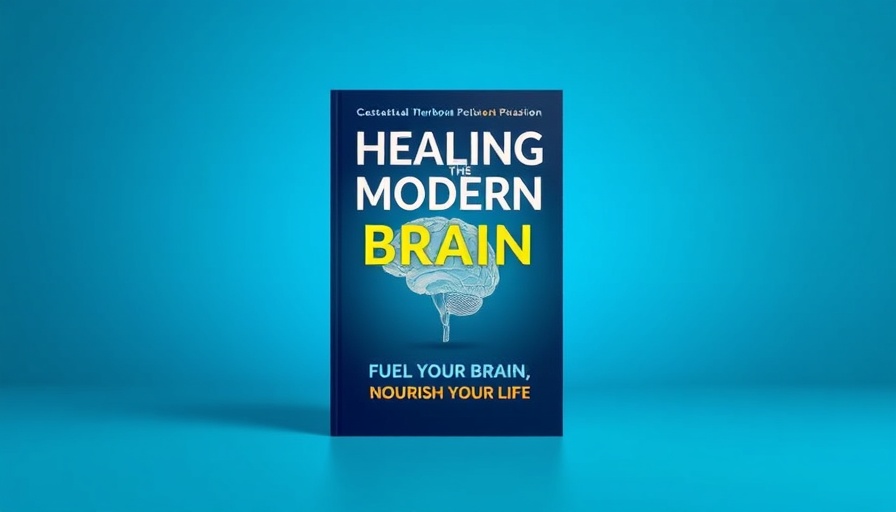
Unlock Your Mental Fitness: Healing the Modern Brain Through Veganism

Update Understanding Modern Mental Health The video HEALING THE MODERN BRAIN touches on a crucial area of our contemporary lives—mental health. It highlights the increasing challenges faced by adults aged 30-60, particularly those following a healthy, vegan lifestyle. As societal stressors mount and mental health issues become more prevalent, having an insightful conversation about mental fitness is essential.In HEALING THE MODERN BRAIN, the discussion dives into mental health, exploring key insights that sparked deeper analysis on our end. The Rise of Mental Health Awareness In recent years, awareness around mental health has gained unprecedented traction. Mental fitness, encompassing emotional, psychological, and social well-being, plays a pivotal role in how individuals think, feel, and act. It determines how we manage stress and relate to others. The 'Healing the Modern Brain' initiative sheds light on innovative approaches to enhancing mental health, advocating for practices such as mindfulness, balanced nutrition, and establishing community support systems. Nutrition's Impact on Mental Health What many may not realize is the profound connection between diet and mental health. A plant-based, vegan diet is associated with improved mood and cognitive function. Research shows that diets rich in antioxidants, vitamins, and omega-3 fatty acids, commonly found in whole plant foods, have been linked to decreased rates of depression and anxiety. For adults looking to enhance their brain health, adopting a vegan lifestyle can provide not just physical benefits but also significant mental gains. Mindfulness and Its Benefits One of the key insights from the video involves embracing mindfulness practices. Engaging in mindfulness helps foster emotional resilience, allowing individuals to breathe through stress and anxiety. Mindfulness techniques such as meditation and yoga can complement a healthy vegan diet, making it easier to maintain mental focus and clarity. For someone living a busy lifestyle, incorporating short meditation sessions or yoga stretches can profoundly change how they experience their day-to-day challenges. Building Supportive Communities The initiative also addresses the importance of community in mental well-being. Building supportive networks can tremendously enhance one’s mental fitness. For those who embrace a vegan lifestyle, connecting with like-minded individuals can provide necessary emotional support, create a sense of belonging, and reinforce healthy habits. There are numerous online forums and local groups dedicated to veganism that can help foster connections. Embracing Holistic Practices Another fascinating insight from the video is the emphasis on holistic health practices. Integrating activities that promote physical and mental health, such as exercise, adequate sleep, and stress management techniques, creates a well-rounded approach to wellness. This aligns perfectly with modern approaches toward health that advocate for comprehensive lifestyle changes rather than isolated improvements. Future Trends in Mental Health As we move further into the 21st century, we can anticipate a continued shift toward prioritizing mental health. Emerging research may continue to reveal the links between nutrition and mental well-being, further popularizing a vegan approach to mental fitness. In addition, we may see greater integration of mental health practices in workplace wellness programs, aiming to cultivate healthier work environments. For adults between 30 and 60, these developments are particularly relevant as they juggle family, careers, and personal aspirations. Understanding and implementing the insights from initiatives like Healing the Modern Brain can arm individuals with the tools necessary for navigating the complexities of modern life. Take Action for Your Mental Fitness! By adopting a healthier vegan diet and practicing mindfulness, you have the power to significantly improve your mental health. Explore local vegan groups or online communities to cultivate connections that support your journey towards better mental and emotional well-being.

Terms of Service

Privacy Policy

Core Modal Title

Sorry, no results found

You Might Find These Articles Interesting

T
Please Check Your Email
We Will Be Following Up Shortly
*
*
*